Introduction
Building a retaining wall is more than simply stacking stones or placing lumber; it's an art that blends engineering principles, design aesthetic appeals, and useful performance. As we look into From Concept to Completion: A Day in the Life of a Retaining Wall Builder, you'll discover the intricacies involved in this interesting profession. Whether it's dealing with concrete sleepers, H beams, or lumber sleepers, every element plays a pivotal role in making sure that the structure not just looks good but likewise stands the test of time.
What is a Retaining Wall?
A maintaining wall is a structure created to keep back soil and prevent disintegration on sloped surface areas. These walls are essential for keeping landscape integrity and can be made from various materials such as stone, wood, and concrete.
The Role of a Retaining Wall Installer
A retaining wall installer is responsible for changing strategies into concrete structures. They work carefully with architects and landscape designers to make sure that the finished item fulfills both functional and aesthetic criteria.
Understanding the Different Kinds of Maintaining Walls
Concrete Sleepers
Concrete sleepers are pre-cast blocks used for their robustness and toughness. They provide outstanding assistance for heavy loads and are resistant to rot and pest damage.
H Beams
H beams provide significant structural support due to their shape, making them ideal for taller retaining walls where additional strength is required.

Wood Sleepers
Though aesthetically appealing, wood sleepers require routine maintenance due to their susceptibility to decay. Nevertheless, they can supply a warm visual that blends well with natural landscapes.
Timber Sleepers
Timber sleepers are often utilized in property jobs where less height is required. They can create a rustic appeal however come with concerns about longevity.
Stone Retaining Walls
Stone walls are classic and can include enormous worth to homes. Their natural appearance makes them popular in landscaping styles but needs knowledgeable workmanship for appropriate installation.
The Preliminary Consultation: What Occurs First?
During the preliminary assessment stage, a retaining wall contractor meets with customers to discuss their requirements and choices. This phase includes website evaluations, understanding drain concerns, and figuring out material choices.
Planning & Style Phase: Crafting the Blueprint
Once initial conversations conclude, in-depth plans are produced. This plan includes measurements, product requirements (be it concrete sleeper or stone), and drainage solutions.
Permits & Laws: Navigating Legalities
Before building begins, securing necessary permits is crucial. Building codes vary by area; thus understanding regional guidelines ensures compliance throughout the project.
Preparing the Site: Clearing & Excavation Work
Preparing the website includes cleaning plants and debris followed by excavation work. This action lays the structure for a structurally sound maintaining wall.
Material Selection: Selecting The Right Components
Selecting materials lines up carefully with design goals while likewise thinking about budget plan restrictions. Aspects like durability (concrete vs. timber sleeper) play an essential role in this decision-making process.
Foundation Work: The Value of Stability
A strong foundation is non-negotiable when building any maintaining wall. Whether utilizing H beams or stone, ensuring stability avoids future collapses or shifts.
Construction Process: Step-By-Step Execution
Lay Out The Plan

Excavate For The Base
Digging down ensures that water will drain appropriately far from the wall.
Install Drain Solutions
Proper drain systems prevent soil saturation behind walls.
Constructing The Wall
Depending upon selected materials (like concrete sleepers), walls may be constructed layer by layer.
Backfilling
When set up, backfilling helps support the structure while making sure sufficient drainage.
Finish Work
Adding any wanted functions like caps or ornamental elements finishes the look.
Tools of The Trade: Essential Equipment For Builders
Having a variety of tools available makes all jobs simpler:
- Shovels & & Picks Levels Compactors Trowels Power Tools
Quality Control Steps During Construction
Quality control ensures that every aspect fulfills industry requirements:
- Regular Inspections Material Testing Adherence To Plans
Addressing Difficulties On-Site: Problem-Solving Abilities Required
No construction task goes off without a hitch! From http://donovanfence-installerjrwf261.tearosediner.net/your-go-to-guide-for-working-with-a-retaining-wall-specialist-near-me unexpected weather changes to material shortages-- being adaptable is key!
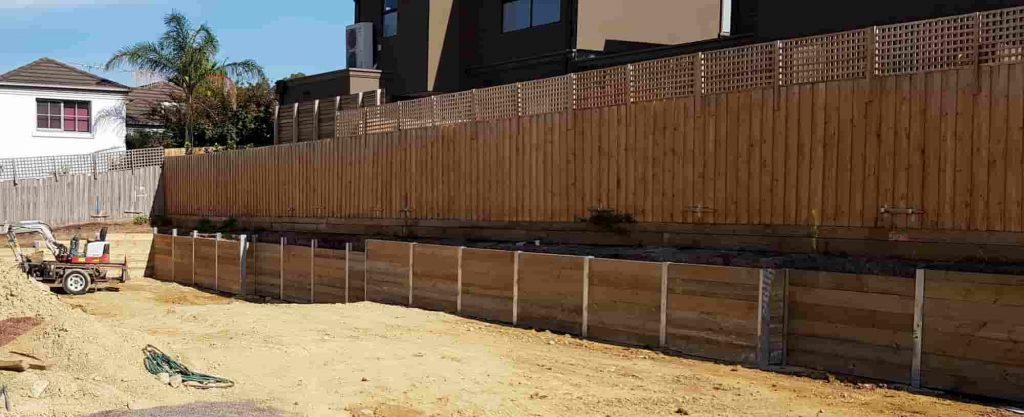
Final Touches: Visual Enhancements For Your Maintaining Wall
After building and construction comes beautification:
Landscaping around it Adding plants or lighting Painting or staining wood structuresMaintenance Tips For Durability Of Maintaining Walls
To extend the life of your retaining wall:
- Regularly inspect for cracks Clean particles Check drain systems
Common Frequently asked questions About Retaining Walls
1. What products are best for building maintaining walls?
Choosing in between concrete sleeper, stone, timber sleeper depends upon aesthetic choice and structural requirements.
2. How tall can my retaining wall be?
Local regulations dictate height limits; normally in between 4-- 6 feet without special permits.
3. Do I need preparing permission?
In most cases yes; examine regional building codes before starting construction.
4. Can I set up a keeping wall myself?
While DIY is possible, working with professionals guarantees security and compliance with regulations.
5. How do I keep my keeping wall?
Regular assessments must focus on checking for fractures or drainage problems; immediate repair work improve longevity!
6. Are maintaining walls expensive?
Costs vary based on products selected(e.g., wood vs stone)in addition to labor expenses involved.
Conclusion
In conclusion, building a maintaining wall involves meticulous planning from start to finish-- for this reason why understanding every action in this journey from idea through conclusion matters exceptionally! From choosing products like concrete sleepers or wood to browsing legal requirements-- it's clear how thorough this procedure really is! So next time you see one standing tall versus nature's forces-- take a moment to appreciate all that entered into creating it!